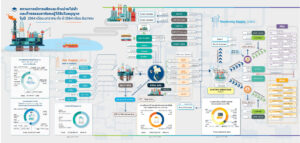
In recent years, more and more countries and regions around the world have been paying attention to the issue of climate change and carbon emissions, and have been working to reduce carbon emissions, achieve zero carbon, and carbon neutrality through various means. Below are some relevant situations regarding the United States, Europe, China, ASEAN.
The United States: In 2021, the United States announced that it would achieve net zero carbon emissions by 2050. In addition, the US government has strengthened regulation and emission reduction efforts, and has committed to investing billions of dollars in renewable energy and energy transition technologies in the coming years.
Europe: The European Union announced in 2019 through the Climate Neutrality Act that it would achieve net zero carbon emissions by 2050, and pledged to reduce its greenhouse gas emissions by 55% by 2030. The EU has also passed the Green Deal, which aims to promote stronger emission reduction measures among its member states.
China: The Chinese government has set a target to peak its carbon emissions before 2030 and achieve carbon neutrality by 2060. In addition, the Chinese government has increased investment in renewable energy and new energy vehicles, among other areas, and has implemented a range of policy measures to promote emission reduction and energy efficiency.
ASEAN: ASEAN member countries signed the Paris Agreement in 2015, agreeing to make their best efforts to tackle climate change, including reducing carbon emissions and enhancing adaptation capacity. ASEAN has also established a Climate Change Experts Group to promote the development and implementation of climate change policies and plans among its member countries.
Thailand: The Thai government has developed a Sustainable Development Blueprint for Thailand 2070, which aims to achieve carbon neutrality. The plan includes measures such as increasing the use of renewable energy, improving energy efficiency, promoting low-carbon transportation and buildings, and striving to achieve net zero carbon emissions by 2070.
The Energy Policy Committee of Thailand held a meeting and approved the National Energy Plan Framework to support Thailand’s transition towards the use of clean energy. The goal is to achieve carbon neutrality by reducing carbon emissions to zero by 2065-2070. The country is promoting green energy investment in the energy sector, including increasing the share of renewable energy in electricity generation to no less than 50%, and reducing the share of fossil fuel-based electricity generation. At the same time, the government is promoting electric vehicle (EV) technology and bringing technology and innovation into modern energy management to improve energy management efficiency and enhance the flexibility of transmission and distribution infrastructure to support future renewable energy generation capacity.